Jaw Physiotherapy focuses on the temporomandibular joint, surrounding muscles, neck mechanics, and movement habits that may contribute to jaw pain or dysfunction. Symptoms can include jaw clicking, locking, stiffness, headaches, and facial tension.
At K.A.R.E. Physiotherapy, we assess how your jaw moves, how your neck and posture may contribute, and what daily habits may be increasing strain.
Treatment is gentle and specific, with a focus on reducing sensitivity, improving jaw mobility, and helping you manage symptoms with confidence.
TMJ Pain Relief
Jaw Mobility Support
Headache-Related Care
Muscle Tension Reduction
Clicking & Stiffness Support
Neck & Posture Assessment
Self-Management Strategies
What to Expect
Your assessment may include questions about jaw symptoms, headaches, dental history, chewing tolerance, stress-related clenching, neck movement, and posture. Your therapist will assess jaw opening, muscle tenderness, and related movement patterns.
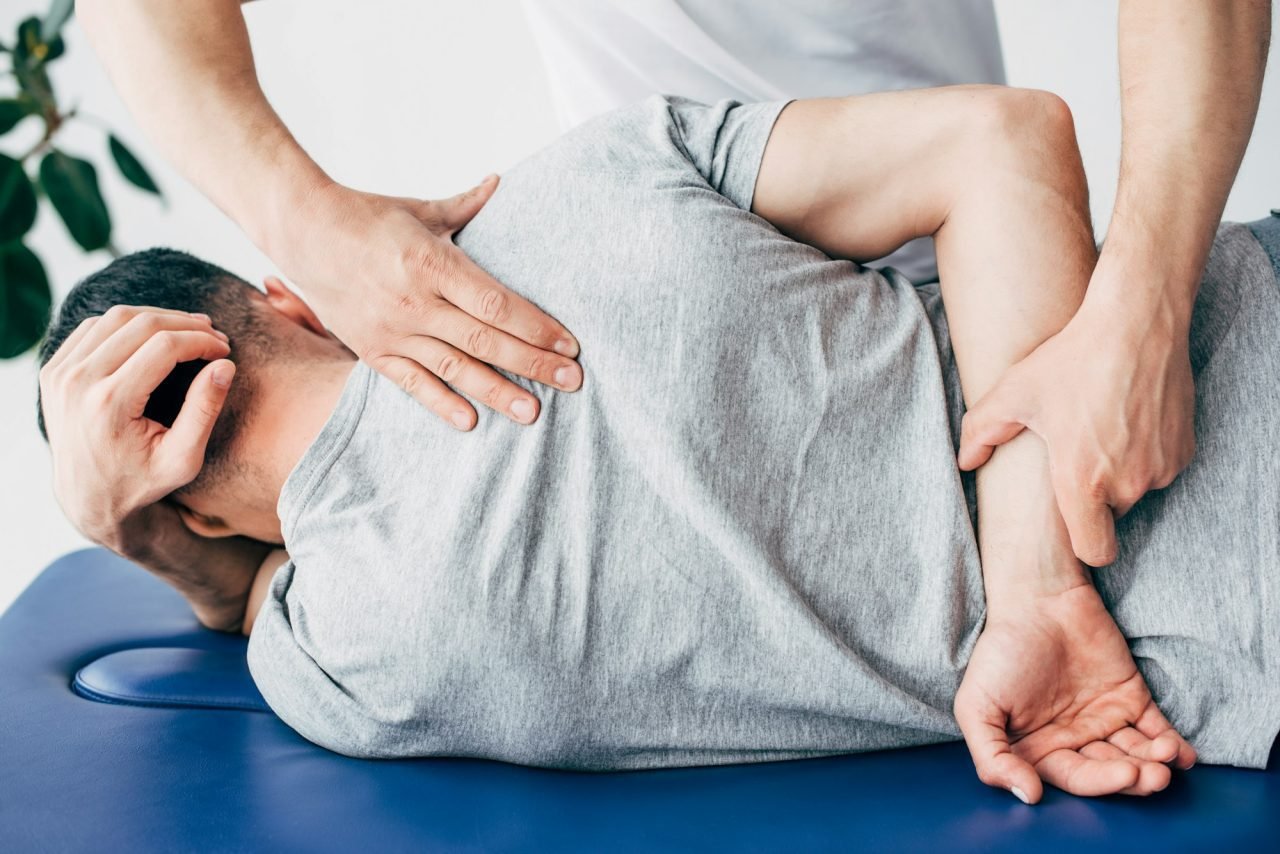
Treatment may include gentle manual therapy, jaw mobility exercises, relaxation strategies, posture guidance, neck treatment, and education on habits that may irritate symptoms.
Jaw physiotherapy takes a calm, careful approach to TMJ-related symptoms. By addressing joint mobility, muscle tension, neck contribution, and daily habits, care is designed to reduce pain and improve comfortable jaw function.